Quiet Your Noisy Door — Garage Door Roller Replacement | San Francisco Bay Area | Call 650-993-1457
📞 Call Now
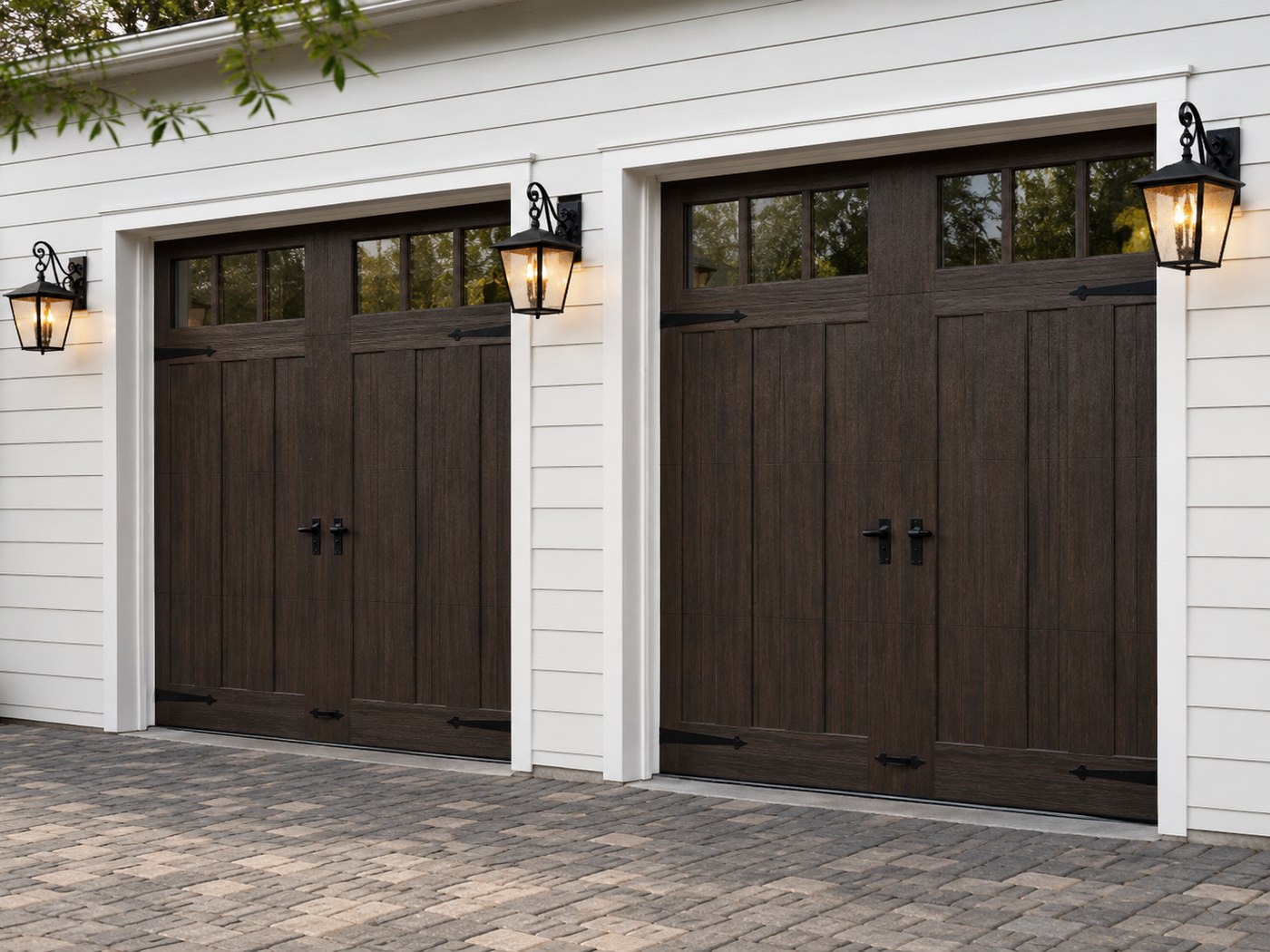
Two dark faux-wood carriage-style residential garage doors on a Bay Area home
San Francisco Bay Area — Roller & Hardware Specialists

Garage Door Roller Replacement
Quiet a Noisy, Rough-Running Door for Good.

If your garage door grinds, rattles, or shudders its way up, worn rollers are usually the reason. We replace them across the Bay Area — including quiet sealed nylon ball-bearing rollers that transform how the door sounds and runs — usually the same day, with a free estimate and upfront pricing.

Same-Day
Service
Free
Estimates
Quiet
Nylon Rollers
Licensed
& Insured
Insured & Bonded
General Liability Insurance
Workers' Comp Covered
Upfront Pricing
Free Estimates
Quiet Nylon Roller Upgrades
Quick Answer

Garage door roller replacement swaps the small wheels that ride in the track and let the door roll up and down. When rollers wear out, the door turns loud, rough, and jerky, and can eventually bind or jump the track. Replacing them — especially with sealed nylon ball-bearing rollers — is the single biggest fix for a noisy door. We replace rollers across the Bay Area, usually same day, with free estimates and upfront pricing.

Symptoms

Is This Your Door? Signs of Worn Rollers

Worn rollers usually announce themselves — in how the door sounds and how it moves. If one or more of these matches your door, the rollers are very likely the cause.

!
Loud grinding, rattling, or squealing
The most common sign. Worn bearings and flat-spotted rollers drag and bang in the track instead of rolling, turning a quiet door into a noisy one.
!
The door moves rough or shudders
A door that jerks, hesitates, or vibrates as it travels is riding on rollers that no longer turn smoothly in the track.
!
Cracked, chipped, or flat-spotted rollers
Look at the wheels: visible cracks, broken edges, or flat spots where a roller stopped spinning mean it's worn out and dragging.
!
Wobbling rollers or bent stems
A roller that wobbles, leans, or has a bent stem isn't seated right and wears itself — and the track — far faster than it should.
!
Rusty or seized rollers that won't spin
Especially near the coast, rust seizes the bearings so the roller skids along the track instead of rolling — loud, rough, and hard on the opener.
!
The door binds or drifts toward the track edge
A door catching as it moves or creeping toward the edge of the track is a more urgent sign — worn rollers can let a door come off the track entirely.
How We Diagnose It

Rollers, Track, or Hinges?

A noisy or rough door isn't always the rollers — bent track, loose hinges, or dry hardware can sound similar. Before we replace anything, our technician confirms what's actually worn so you only pay for the fix you need.

1
Pinpoint the noise
We run the door and check whether the sound and roughness come from worn rollers, a bent or dirty track, loose hinges, or simply dry hardware that needs service.
2
Inspect every roller & the track
We check all the rollers — top to bottom — plus the bottom bracket and the track they ride in, since a bent track or loose bracket chews through new rollers too.
3
Replace, lubricate & test
We fit the new rollers, lubricate the moving hardware, and run the door to confirm it moves smoothly and quietly before we leave.
Why Rollers Wear Out

Why Garage Door Rollers Go Bad

Rollers are a wear item, and a few things speed them up. Knowing why yours wore out helps you pick a replacement that lasts longer than the last set.

Builder-grade rollers wearing out
Many doors ship with basic steel or plastic rollers to keep costs down, and those are often the first thing to wear out — usually within a few years, and the reason a fairly new door can already be loud.
No lubrication
Roller bearings need occasional lubrication. Run dry, they grind themselves out far faster than they should — one of the simplest causes to prevent.
Rust and salt-air corrosion
Closer to the coast and the bay, salt air rusts the bearings until the roller seizes and skids. Sealed nylon rollers sidestep this because there's no exposed metal bearing to corrode.
Age and high cycle count
Every open and close is wear. On a door used many times a day, even decent rollers eventually flatten and the bearings give out from sheer mileage.
A bent or dirty track
A dented track or built-up grime makes rollers fight their way through instead of rolling freely, wearing them out early — which is why we check the track, not just the rollers.
Misalignment side-loading the rollers
If the door or track is slightly out of alignment, the rollers carry a sideways load they weren't designed for, wearing the stems and bearings unevenly.
Honest Comparisons

Two Decisions Worth Understanding

Before you book a roller replacement, two questions usually come up: which rollers to put on, and whether to replace the whole set. Here's our straight answer to each.

Nylon vs. steel rollers

Steel rollers cost a little less and are tough, which suits heavy and commercial doors — but they're noisy and can rust. Sealed nylon ball-bearing rollers run quietly and smoothly, never need lubrication, and won't corrode, which matters near the water.

For a home — especially an attached garage under living space — the difference in noise is night and day.

Our straight take from the field: the upgrade homeowners notice most is going to sealed nylon rollers — it's the single change that takes a door from a morning wake-up call to nearly silent.
Replace the whole set vs. a few

Rollers wear on the same timeline, so when several are worn the rest aren't far behind. Replacing only the worst ones leaves old rollers to fail next and another service call behind them.

A full door has roughly ten to twelve rollers; doing them together costs little more than a partial job and gives you an even, quiet door.

Our usual recommendation: replace the full set rather than piecemeal — even, quiet operation and no repeat visit for the rollers you left behind.
Upfront Pricing

How We Price a Roller Replacement

No surprise invoices. Every roller replacement starts with a free estimate and an upfront, written quote you approve before we touch the door. Rather than post a single number that may not fit your door, here are the honest factors that shape it.

Roller type
Basic steel rollers cost less than sealed nylon ball-bearing rollers. We'll explain the noise-and-longevity difference so you can choose with eyes open.
Full set or a few
Replacing the complete set costs a little more than a couple of rollers but avoids a quick repeat visit. We'll show you which makes sense for your door.
Door size and roller count
A taller or double door has more sections and more rollers than a small single-car door, which affects parts and labor.
Track or hinge attention
If a bent track or worn hinge caused the rollers to fail, addressing that is part of a fix that actually lasts — we'll flag it upfront, not after.

The bottom line: you get a free estimate, an upfront price approved before any work begins, and no surprises on the invoice.

Safety First

Why the Bottom Rollers Aren't a DIY Swap

Changing rollers looks simple, and the intermediate ones can be — but there's one catch worth knowing before you reach for a wrench, and it's the reason most homeowners leave the full job to a technician.

  • The bottom roller sits in the bottom bracket — the same bracket that anchors the lift cable under spring tension. Loosening it without releasing that tension safely can let the cable or bracket snap back with serious force.
  • Rollers have to be seated squarely so they roll instead of dragging; a roller put in cocked wears out fast and can push the door toward the edge of the track.
  • A roller job is also the moment to catch a bent track or worn hinge — miss it and the new rollers wear out as quickly as the old ones.
  • After the swap, the door's balance and travel should be checked so the opener and the new rollers aren't fighting a door that isn't moving freely.

None of this makes a roller replacement a big job — it's one of the quicker, more satisfying repairs we do. It just means the bottom bracket is best left to someone with the tools to handle the tension safely.

Noisy Door? Get a Free Estimate Today
Same-day garage door roller replacement across the Bay Area — quiet sealed nylon rollers fitted by licensed, insured technicians with upfront pricing and no surprise fees.
Call 650-993-1457 Request Online Estimate
Roller Replacement FAQ

Garage Door Roller Replacement Questions

Straight answers to the questions Bay Area homeowners ask us most about noisy doors and worn garage door rollers.

Why is my garage door so loud?
Worn rollers are the most common reason a garage door grinds, rattles, or squeals. As the bearings wear out or the rollers go flat, the wheels drag and bang in the track instead of rolling smoothly. Dry, unlubricated rollers and loose hardware add to it. Swapping worn rollers — especially for sealed nylon ones — is usually the single biggest change you can make to quiet a noisy door.
How do I know my garage door rollers need replacing?
Listen and watch the door move. Grinding, rattling, or squealing, a door that travels rough or shudders, and rollers you can see are cracked, chipped, flat-spotted, wobbling, or rusted and no longer spinning all point to worn rollers. A door that's started to bind or drift toward the edge of the track is a more urgent sign, since worn rollers can let a door jump the track entirely.
Nylon or steel garage door rollers — which is better?
For most homes, sealed nylon ball-bearing rollers are the better choice: they run quietly, roll smoothly, don't need regular lubrication, and won't rust — which matters near the coast. Steel rollers cost less and are very durable, which suits heavy and commercial doors, but they're louder and can rust over time. If a quiet door matters to you, especially with an attached garage, nylon is the upgrade homeowners notice most.
How long do garage door rollers last?
It depends on the roller. Builder-grade plastic or basic steel rollers often wear out in a handful of years, while good sealed nylon ball-bearing rollers can last well over a decade. Use, lubrication, salt-air exposure, and track condition all affect it. Because rollers wear together, when several are worn it's usually worth replacing the full set rather than one at a time.
Can worn rollers damage my door or opener?
Yes. Rollers that drag instead of rolling make the opener work harder, which wears the opener out faster, and a door that binds on bad rollers can eventually climb out of the track. Replacing worn rollers protects the opener and helps keep the door tracking straight — it's a small repair that prevents bigger ones.
Is replacing garage door rollers a DIY job?
The intermediate rollers can be changed with care, but the bottom rollers are the catch: the bottom bracket that holds them also anchors the lift cable under spring tension, and disturbing it without releasing that tension safely can cause serious injury. Because the safe job involves that bracket and re-balancing the door, most homeowners are better off having a technician replace the full set.
How much does garage door roller replacement cost?
Cost depends on a few honest factors: the roller type (basic steel versus sealed nylon ball-bearing), whether you replace the full set or just a few, the size of the door and how many rollers it has, and whether the track or hinges also need attention. Rather than quote a number that may not fit your door, we give a free estimate and an upfront written quote before any work starts.
Do you replace garage door rollers in my area?
We replace garage door rollers across the San Francisco Bay Area, including San Jose, San Francisco, Palo Alto, Redwood City, Mountain View, and the surrounding Peninsula, South Bay, and North Bay communities. Call us about your noisy or rough-running door and we'll confirm same-day availability.
Where We Work

Same-Day Roller Replacement Across the Bay Area

We replace garage door rollers throughout the Bay Area. Find your city below for local same-day service, or see all of our garage door services.

Get in Touch

Get My Free Roller Estimate

Same-day roller replacement available across the Bay Area. Free estimates and upfront pricing on every roller and hardware job — no obligation, no pressure. Call 650-993-1457 or send the form and we'll confirm your visit.

📞
Phone
Same-day roller service available — call anytime
Email
We respond within a few hours during business hours
📍
Service Area
San Francisco Bay Area
South Bay, Peninsula, San Francisco, North Bay, and surrounding communities
📅
Hours
7 Days a Week
Same-day appointments available — including weekends
Last updated: June 2026